Here is a comprehensive of LED headlight installation, step-by-step guide to installing LED headlights in your vehicle.
Ultimate LED Headlight Installation Guide
Replacing your halogen bulbs with LEDs is one of the most popular and effective car upgrades. It provides brighter, whiter light, improves nighttime visibility, and modernizes your car’s look. This guide will walk you through the entire process safely and correctly.
Before You Begin: Crucial First Steps
-
Confirm Compatibility: Not all vehicles can use LED bulbs easily. Check your owner’s manual for your bulb size (e.g., H11, 9005, H4, 9006). Use a compatibility checker on the retailer’s website.
-
Purchase the Right Kit: Buy a complete LED kit designed for your specific vehicle. Look for features like a compact heatsink/fan design and CANbus error cancellers if your car is modern (post-2010-ish) to prevent dashboard warning messages.
-
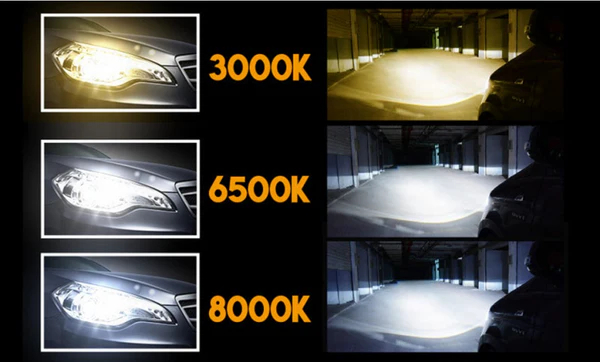
Check Local Laws: Ensure LED bulbs are legal for road use in your region. Some areas have strict regulations on headlight brightness and color temperature.
-
Gather Your Tools:
-
Your new LED headlight kit
-
Phillips and flathead screwdrivers
-
Socket set (often 10mm is needed)
-
Zip ties and electrical tape (for wire management)
-
Rubbing alcohol and a microfiber cloth (to handle bulbs)
-
Gloves (optional, to keep oils off the bulb)
-
Step-by-Step Installation Guide
⚠️ SAFETY FIRST:
-
Work on a cool, parked car on a flat, level surface.
-
Disconnect the negative terminal of your car battery to prevent any electrical shorts.
-
Never touch the glass of the new LED bulbs with your bare hands. Skin oils can create hot spots and shorten the bulb’s lifespan. Use gloves or a cloth.
Step 1: Access the Headlight Assembly
-
Pop the Hood: Open your hood and locate the back of the headlight assembly.
-
Find the Access Cover: Most vehicles have a dust cover (a round rubber or plastic cap) directly behind the headlight bulb. Some cars may require you to remove the battery, air intake box, or washer fluid reservoir to access the driver or passenger side bulb. Consult your owner’s manual if needed.
-
Remove the Cover: Twist the dust cover counterclockwise to remove it. You may see a wiring harness connected to the back of the old bulb.
Step 2: Remove the Old Halogen Bulb
-
Disconnect the Harness: Find the wiring harness plug connected to the back of the bulb. Press the clip (if present) and pull the plug straight out.
-
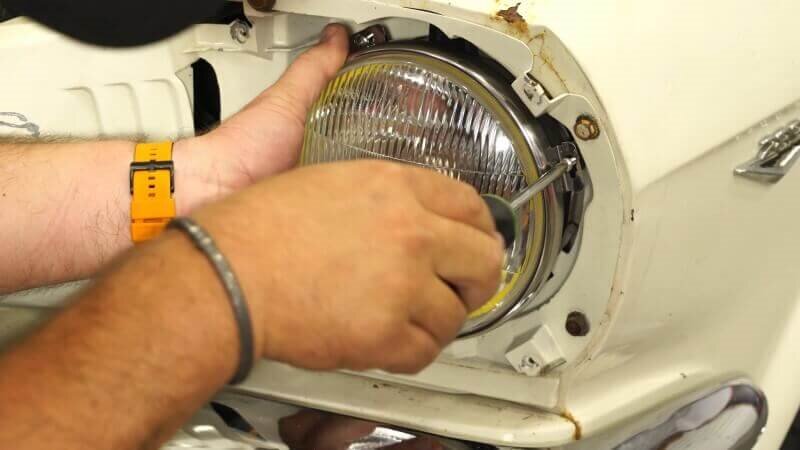
Release the Bulb: Most bulbs are held in by a wire clip, a metal ring, or a plastic twist-lock.
-
Wire Clip: Squeeze the ends of the clip together and push it downward to release it. Swing the clip out of the way.
-
Twist-Lock: Firmly push the bulb down and turn it counterclockwise (usually about ⅛ turn) to unlock it.
-
-
Remove the Bulb: Gently pull the old halogen bulb straight out of the housing.
Step 3: Install the New LED Bulbs
-
Prepare the LED: Unpack your new LED bulb. Do not separate the bulb from its heatsink or driver. They are a single unit.
-
Insert the Bulb: Without touching the LED chips, insert the bulb into the headlight socket. It should seat exactly as the old one did.
-
Secure the Bulb: Reattach the retaining clip, ring, or twist-lock mechanism. Give the bulb a gentle tug to ensure it’s locked in place securely.
-
Connect the Driver: Plug the vehicle’s original wiring harness into the input plug of the LED bulb’s driver/ballast.
-
Manage the Components: This is the most important step for a clean install. The driver and its wires need to be secured safely.
-
Do NOT let the driver or wires dangle near moving parts (like the radiator fan) or hot components (like the engine block).
-
Use zip ties to neatly secure the driver to a nearby bracket, hose, or body panel. The heatsink/fan should have room to breathe.
-
Tuck any excess wiring out of the way.
-
Step 4: Test Before Finalizing
-
Reconnect Battery: Before putting the dust cover back on, reconnect the negative battery terminal.
-
Turn On the Lights: Turn on your headlights and verify that both LEDs work properly. Test your high beams if it’s a dual-beam bulb.
-
Check for Errors: Ensure no “bulb out” warning messages appear on your dashboard.
-
Aim Your Headlights (CRITICAL STEP): LED bulbs often sit differently in the housing than halogens, which can throw off your headlight aim.
-
Park your car on level ground 25 feet from a wall or garage door.
-
Turn on your low beams.
-
The brightest part of the beam pattern should be at or below the height of the headlights on the wall. If it’s shining too high, you will blind oncoming drivers.
-
Use the adjustment screws on the top of the headlight assembly to adjust the vertical aim. Some cars have a screw for horizontal aim as well. Refer to your vehicle’s manual for the location of these screws.
-
Step 5: Reassemble and Final Check
-
Seal It Up: Once everything is working and aimed correctly, tuck all wires neatly into the headlight assembly and firmly reattach the rubber dust cover. A proper seal is vital to keep moisture and dirt out.
-
Repeat: Repeat the entire process for the other headlight.
-
Final Road Test: Take your car for a short drive at night. Pay attention to your light output on the road and watch for other drivers flashing their high beams at you (a sign your lights are aimed too high).
Troubleshooting Common Issues
-
Light Doesn’t Turn On: The polarity might be reversed. Unplug the harness from the LED driver, flip it 180 degrees, and plug it back in.
-
Flickering Light or Dashboard Error: Your car likely requires CANbus cancellers (or resistors). These trick the car’s computer into thinking a regular bulb is installed. Many quality LED kits include these.
-
Light Pattern is Scattered or Glarey: This is usually caused by the design of your reflector housing. LED bulbs are not ideal for reflector housings designed for halogens. The result can be bright, uncontrolled light that blinds other drivers. For the best and safest results, consider upgrading to projectors headlights or finding LEDs specifically tested for your reflector model.
Disclaimer
This guide is for informational purposes only. Always prioritize safety. The installer is responsible for ensuring the installation is done correctly and that the resulting headlights are legal, safe, and properly aimed for use on public roads. If you are unsure about any step, consult a professional mechanic.