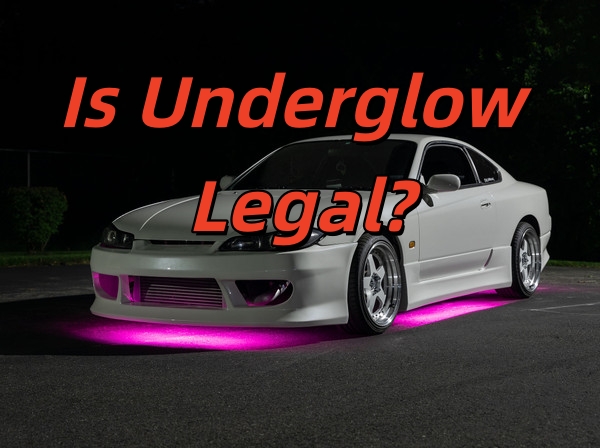
Is underglow legal? This is an excellent question, as the answer is far from simple. The legality of underglow lights is a complex patchwork of state, county, and city laws.
Here is an essential guide to help you understand the laws and avoid costly tickets.
The Short Answer to Is Underglow Legal
It’s complicated. Underglow (also called neon glow or accent lighting) is often restricted or illegal while a vehicle is in motion on public roads. However, laws vary dramatically by state, and many have specific rules about colors, placement, and when the lights can be illuminated.
What is Underglow?
Underglow, also known as ground effects lighting or neon glow, is a type of automotive customization where LED or neon light strips are attached to the underside of a vehicle’s chassis. When turned on, these lights illuminate the ground beneath the car, creating a colored glow or “halo” effect around it.
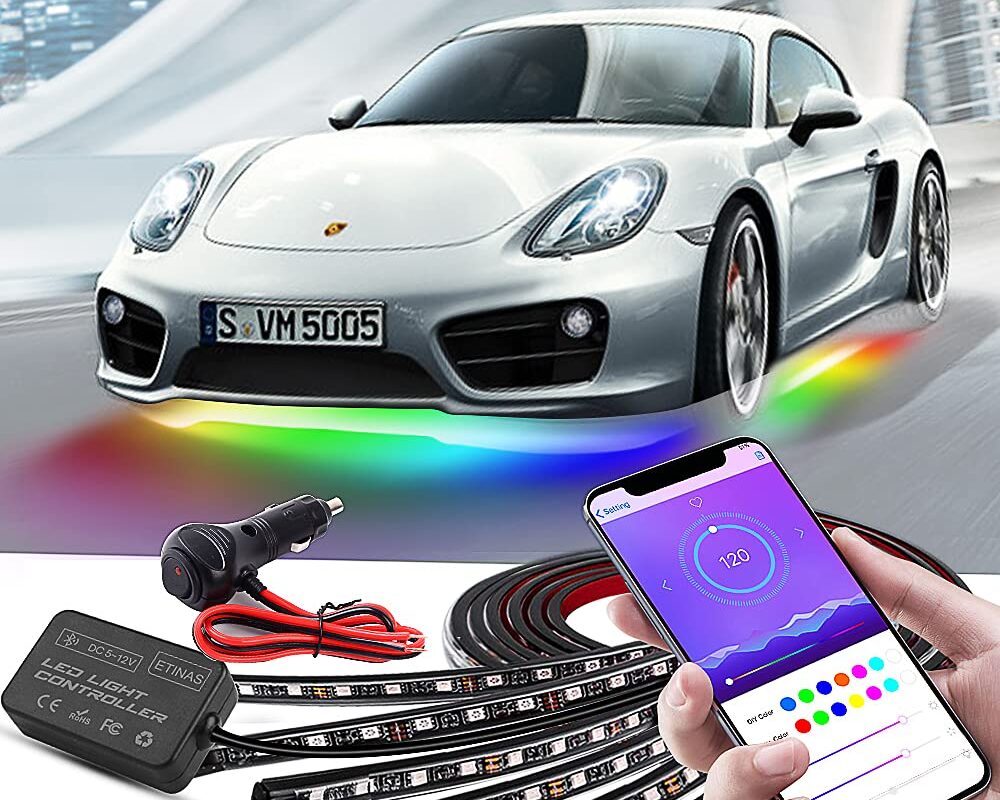
The primary purpose of underglow is aesthetic—it’s a popular way for car enthusiasts to personalize their vehicles, make them stand out, and add a futuristic or “cyberpunk” look, especially at night or at car shows.
The Core Principle: Avoiding Confusion with Emergency Vehicles
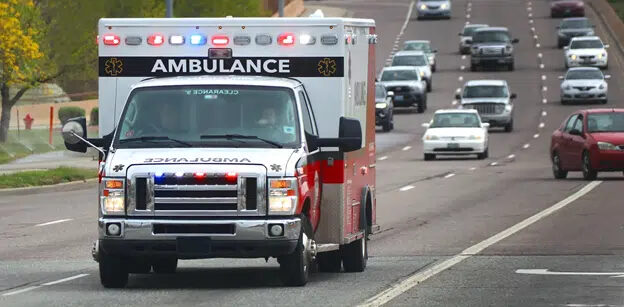
The fundamental reason for most underglow restrictions is to prevent confusion with authorized emergency vehicles (police, fire, ambulance). Because of this, laws almost universally focus on two things:
-
Color
-
Placement and Flashing
Let’s break down the common legal frameworks.
1. Color Regulations (The Most Important Factor)
This is the most consistent rule across the United States.
-
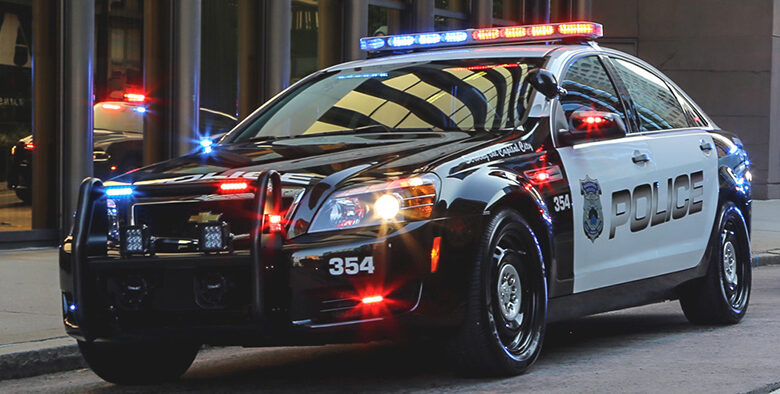
Red and Blue Lights are Almost Always Illegal for Civilians.
-
Why: These colors are exclusively reserved for emergency and law enforcement vehicles. Having red or blue lights on the front, sides, or back of your car is a surefire way to get pulled over and ticketed immediately. In some states, impersonating a police officer is a serious offense.
-
-
White and Amber/Yellow Lights are typically reserved for front and side markers (like headlights and turn signals). Having them on the underside or rear of your vehicle can be illegal.
-
Other Colors (Green, Purple, Pink, etc.) fall into a gray area and are the subject of most state-specific laws. Some states allow them, some restrict them to certain locations (e.g., sides but not front/rear), and some ban them outright while driving.
2. Placement and Flashing Laws
-
Flashing or Strobing Lights: These are almost universally illegal for civilian vehicles. Flashing lights are reserved for emergency, construction, and utility vehicles.
-
Light Placement: Many states have laws prohibiting certain colors of light from being visible from the front or rear. For example, a state may allow non-flashing green underglow, but only if it’s not visible from the front of the car, to avoid confusion with headlights.
3. The “In Motion” vs. “Parked” Distinction
This is a critical distinction found in many state laws:
-
Illegal While in Motion: Your underglow may be perfectly legal to use when your vehicle is parked (e.g., at a car show, in a parking lot, on private property), but you must turn it off when driving on public roads.
-
Always Illegal: Some states prohibit certain types of aftermarket lighting altogether, regardless of whether the vehicle is moving or parked on public property.
State-by-State Examples (For Illustration)
Please note: Laws change! This is not legal advice. You must check your specific state’s vehicle code.
-
California: Very restrictive. Non-amber/white lights are illegal on the front. Red lights are illegal on the rear. Essentially, any aftermarket lighting that is not white or amber is illegal to use on public roads. The “show” mode is for off-road or private property use only.
-
Texas: More permissive. Texas law allows for clearance lamps and other auxiliary lighting. The key is that red and blue lights are prohibited, and flashing lights are illegal. Other colors are generally tolerated if they are not flashing and do not mimic emergency vehicles.
-
Florida: Allows aftermarket lighting as long as it is not red or blue and does not flash. The lights must not interfere with the vehicle’s required lighting (headlights, brake lights, etc.).
-
Illinois: Very strict. The law prohibits any aftermarket lamp that emits a non-white light, with very few exceptions. This effectively makes most colored underglow illegal on public roads.
-
New York: Prohibits any colored light other than white, yellow, or amber on the front, and red, yellow, or amber on the rear. Other colors are not permitted.
General Legality Checklist
Ask yourself these questions to gauge if your underglow is likely to be legal:
-
Are the lights RED or BLUE? If yes, it’s almost certainly illegal.
-
Do the lights FLASH, STROBE, or ROTATE? If yes, it’s almost certainly illegal.
-
What is the color? Check your state’s specific laws for the legality of green, purple, etc.
-
Where is the color visible from? Are red lights visible from the front? Are white lights visible from the rear? This is often a violation.
-
Is it legal in my state while DRIVING? Don’t assume “show mode” is okay on public roads.
How to Stay Legal and Avoid Tickets
-
Research Your State’s Vehicle Code: Search for “[Your State] Vehicle Code Section on Auxiliary Lighting” or “Aftermarket Lighting Laws.” Look for the specific statutes.
-
Be Conservative with Colors: Stick to white or amber if you want to be the safest, or colors explicitly allowed by your state.
-
Install a Separate Switch: Always install an easy-to-reach on/off switch for your underglow. This allows you to turn it off the moment you leave a car show or private property.
-
When in Doubt, Turn it Out: If you are unsure about the legality, err on the side of caution and do not use the underglow on public roads.
-
Talk to Local Law Enforcement (Optional but Helpful): At a local car meet, you can ask a police officer for their interpretation of the local laws. They are the ones who would be issuing the ticket.
Consequences of Illegal Underglow
The risks include:
-
Traffic Tickets and Fines.
-
Being Pulled Over: Bright, colorful lights attract police attention, which could lead to other citations if they find anything else wrong.
-
Failed Vehicle Inspection: In states with safety inspections, illegal lighting will cause your vehicle to fail.
-
Fix-it Ticket: You may be required to remove the system and provide proof to the court.
Conclusion
Underglow lights are a popular way to customize a vehicle, but their use on public roads is heavily regulated. Always prioritize knowing and following your local laws over looking cool. A little research can save you from headaches and fines.
Legal Underglow Kits — Get a Free Quote
Make your ride more exciting with amazing underglow lights by Carlightwholesale! View our site now! Give your ride the makeover it deserves with colorful lights, interchangeable designs, and effects. We also offer headlight LEDs, which are great for improving your visibility at night. Contact us and get a free quote right now.