Here is a complete, business-focused guide on LED headlight upgrade, designed to help automotive businesses understand the product, the market, and the sales process.
A Complete LED Headlight Upgrade Guide for Automotive Businesses
For automotive businesses, LED headlight upgrade represent a high-margin, high-demand service that can significantly boost revenue and customer satisfaction. This guide covers the technology, the market opportunity, product selection, installation best practices, and how to market the service effectively.
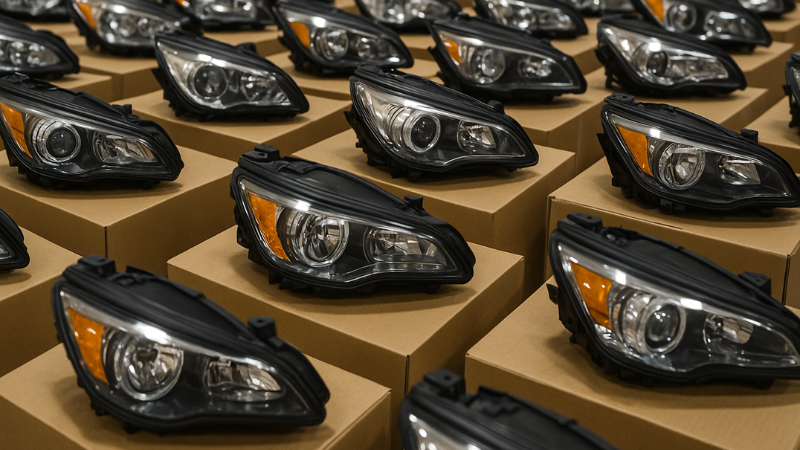
Part 1: Understanding the Product & The Market Opportunity
Why Customers Want LED Upgrades:
-
Superior Visibility: Brighter, whiter light that closely mimics daylight, reducing eye strain and improving reaction time.
-
Enhanced Safety: Better illumination of road signs, pedestrians, and roadside hazards.
-
Modern Aesthetic: Gives any vehicle a newer, high-end look.
-
Longevity: LEDs last significantly longer than halogen bulbs (often 30,000+ hours vs. 1,000 hours), reducing replacement frequency.
-
Energy Efficiency: Draw less power from the vehicle’s electrical system, which can be a benefit for fuel economy and battery life.
The Business Case for Your Shop:
-
High Profit Margin: LED kits have a strong cost-to-retail margin.
-
Upsell Opportunity: A natural add-on service for routine maintenance, oil changes, or when customers complain about poor headlight performance.
-
Competitive Advantage: Positioning your shop as a modern, technology-focused service provider.
-
Repeat Business & Referrals: A highly visible modification that customers show off, leading to word-of-mouth referrals.
Part 2: Technical Knowledge & Product Selection of LED Headlight Upgrade
Selling the right product is crucial to avoid comebacks and ensure customer satisfaction.
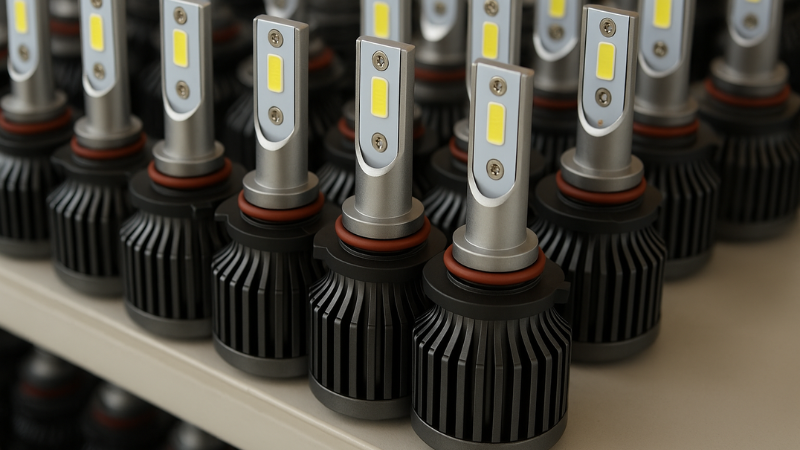
Key Headlight Components of a Quality LED Kit:
-
The LED Chip:
-
Look for: Branded chips like Lumileds, CREE, or OSRAM. Avoid no-name chips.
-
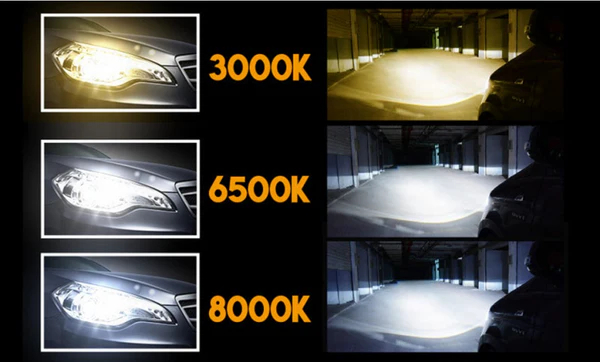
Color Temperature: Stick to the 5000K – 6000K range. This produces a bright, pure white light. Lower values are yellow, higher values are blue and reduce visibility.
-
-
The Cooling System: Heat is the #1 killer of LEDs.
-
Passive Cooling (Heatsinks): Durable and silent, best for well-ventilated headlight housings.
-
Active Cooling (Fans): More compact and efficient, but the fan is a moving part that can eventually fail. Source from suppliers who use quality, ball-bearing fans.
-
-
The Driver/Canbus Module: This is the brain of the operation.
-
Function: Regulates power and prevents flickering and error codes on modern vehicles with Canbus systems.
-
Importance: A non-compatible kit will cause the vehicle’s computer to think a bulb is out, leading to dashboard warnings and hyper-flashing (if replacing turn signals).
-
-
Beam Pattern Compatibility: This is the most critical technical aspect.
-
The Problem: Halogen and LED bulbs emit light from different points. A poorly designed LED in a halogen housing will produce a scattered, glaring beam pattern that fails safety standards and blinds oncoming drivers.
-
The Solution: Only stock LEDs specifically designed to mimic the filament position and geometry of the halogen bulb they are replacing. Look for kits that are DOT/SAE Compliant and, more importantly, have proven beam pattern test results.
-
How to Vet Your Supplier:
-
Request Beam Pattern Photos: A reputable supplier will have photos comparing their LED’s beam pattern against a halogen bulb on a wall.
-
Ask for Certifications: DOT/SAE, IP67 (water and dust resistance), and EMC (electromagnetic compatibility) are good indicators of quality.
-
Get Sample Kits: Test them in a few common vehicle models to verify fitment, performance, and beam pattern yourself.
Part 3: The Professional Installation Process
Position this as a professional service, not just a simple bulb swap.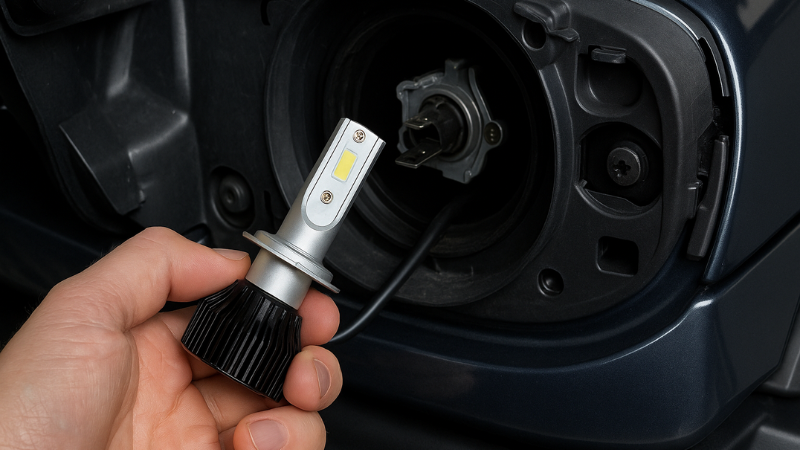
-
Vehicle Inspection: Before starting, document the condition of the existing headlights and their current beam pattern on a wall. This protects you from pre-existing damage claims.
-
Disassembly: Gaining access to the headlight assembly often requires removing parts of the bumper, grille, or wheel well liners. This is where your mechanical expertise is valuable.
-
Bulb Replacement & Fitment:
-
Remove the old halogen bulb.
-
Install the LED bulb, ensuring the locking collar is seated correctly.
-
Manage the Hardware: Neatly secure the driver module and tuck away excess wiring. A clean, professional installation is key.
-
-
Aiming the Headlights (MANDATORY STEP):
-
After installation, you must aim the headlights using a professional headlight aiming tool.
-
Proper aiming ensures optimal performance and prevents your customer from blinding others, which is a safety and liability issue. This service adds value and justifies your labor cost.
-
-
Quality Control Check:
-
Test all functions: low beam, high beam, DRLs (if applicable).
-
Check for any error messages on the dashboard.
-
Do a final visual inspection to ensure everything is reassembled correctly.
-
Part 4: Sales & Marketing Strategies
How to Talk to Customers About it:
-
Use Relatable Language: Don’t just say “lumens.” Say, “You’ll see further down the road and the sides of the road will be much clearer, which is safer for night driving.”
-
Address Safety & Glare Concerns Head-On: “We use only premium, compliant LED kits and our certified technicians professionally aim your headlights to ensure you get the best visibility without dazzling other drivers.”
-
Bundle the Service: Create a “Night Vision Package” that includes the LED bulbs, professional installation, and headlight aiming for a single price.
Marketing Your LED Headlight Upgrade Service:
-
In-Shop Demonstrations: Keep a demonstration board showing a halogen vs. LED bulb lit up. Let customers see and feel the difference.
-
Before & After Photos/Videos: This is your most powerful tool. Take clear photos of the beam pattern on a wall and the light output on the road. Share these on social media and your website.
-
Social Media Focus: Platforms like Instagram and Facebook are perfect for showcasing the dramatic visual improvement with short videos and customer testimonials.
-
Website & Service Menu: Add “LED Headlight Upgrades” as a dedicated service on your website and in your service menu. Explain the benefits and your professional process.
Part 5: Legal & Liability Considerations
-
Know Your Local Regulations: Headlight laws vary by state and country. While many jurisdictions have strict rules, properly aimed, DOT-compliant LEDs in a halogen housing generally pass inspection and are not a primary reason for a traffic stop. Be prepared to educate your customers.
-
Liability Disclaimer: Have a section on your work order that the customer signs, acknowledging that they are choosing to upgrade their lighting and that it is their responsibility to ensure compliance with local vehicle codes. Consult with a legal professional to draft this.
-
Warranty: Offer a strong warranty on both the parts and your labor. This builds confidence and protects your business from minor defects.
Conclusion of LED Headlight Upgrade
For the modern automotive business, LED headlight upgrades are a golden opportunity. By focusing on quality products, professional installation, and ethical marketing, you can build a reputable and highly profitable service line that keeps customers coming back and seeing you in the best light possible.